Tesla Cybercab Hits Showrooms Before Year-End
Tesla has confirmed that its autonomous two-seater will begin reaching private customers by the end of 2026, though most units will remain in the company's robotaxi fleet.
By Neha Iyer ·
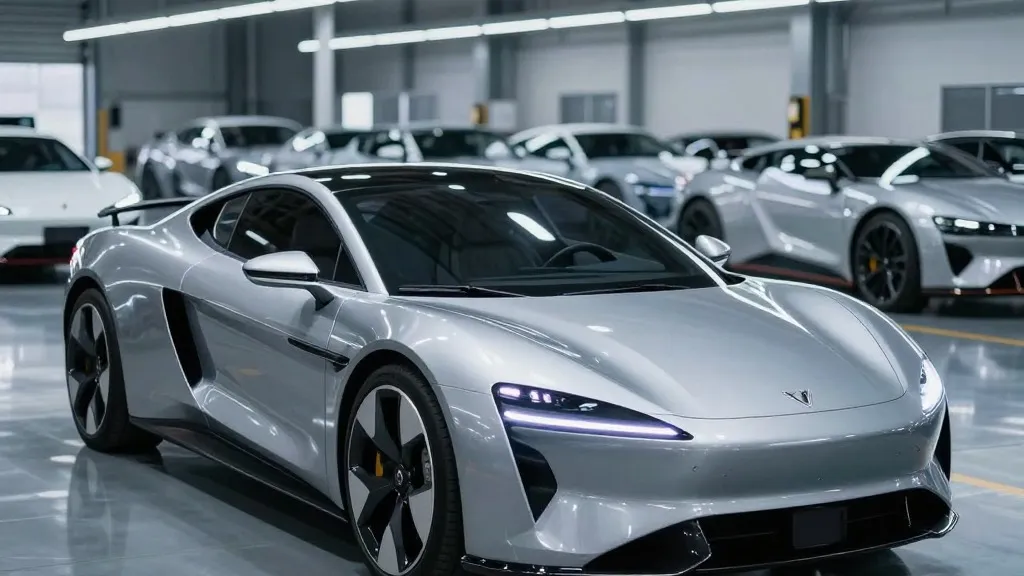
The wait for the Tesla Cybercab to reach individual buyers is officially over, but the rollout will be slower than many expected. Tesla has set a target date for private deliveries before the end of 2026, bringing a definitive timeline to a vehicle that has long been shrouded in speculation. This update clarifies when the fully autonomous robotaxi will move from a fleet operation into the hands of private customers.
During the company’s third-quarter earnings call on October 21, Lars Moravy, Tesla’s Vice President of Engineering, provided the specific timeframe. He stated that the company is working to get Cybercabs into the hands of customers by the end of the year. Moravy confirmed that production is currently active on the assembly line at Gigafactory Texas. However, he noted that every unit coming off that line is currently being assigned to Tesla’s own internal Robotaxi fleet rather than being sold to the public.
As the operation scales up, the strategy will shift. Moravy explained that Tesla plans to deliver fully designed autonomous vehicles to customers, with the Cybercab serving as the first model in this new category. The initial wave of private deliveries will be small in scale. This cautious approach allows the company to refine its experience in delivery logistics, ownership models, and fleet management while operating autonomous vehicles that are not under its direct control.
CEO Elon Musk reinforced the idea that private ownership will be the exception, not the rule. He described the Cybercab primarily as a 'transport-as-a-service' product rather than a traditional personal vehicle like the Model 3, Model Y, or the upcoming Roadster. According to Musk, the vast majority of Cybercab units will remain Tesla-owned and operate within the company's service network.
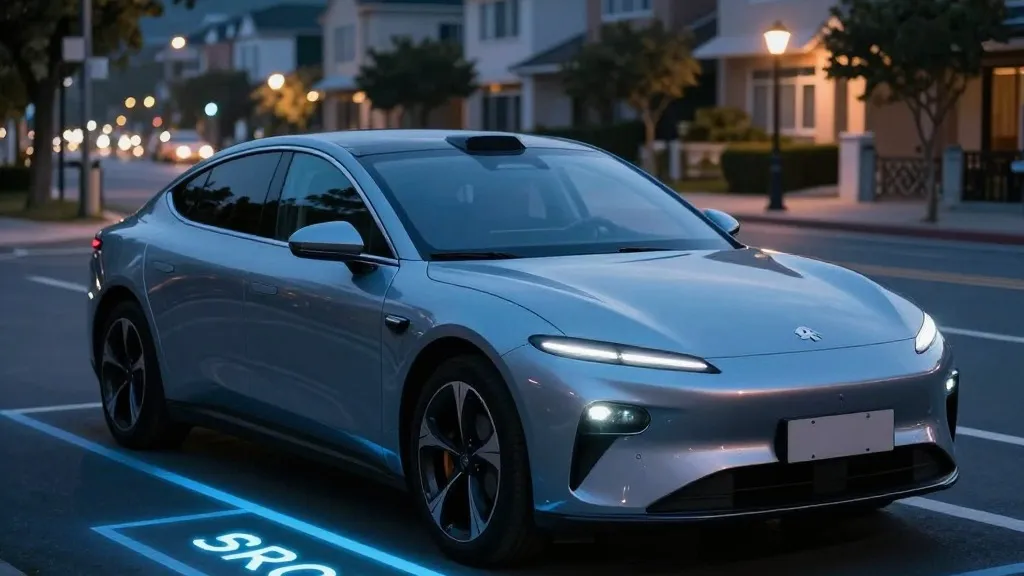
The Cybercab itself is a unique two-seater vehicle that lacks a steering wheel or pedals. It relies entirely on Tesla’s Full Self-Driving technology to operate. Production of the vehicle began in February of this year. Early units have been integrated into Tesla’s Robotaxi service since early September, when the company began offering rides to the general public. Tesla has previously indicated an intention to price the Cybercab at approximately $30,000.
While the Cybercab is moving into private hands soon, the broader availability of unsupervised Full Self-Driving in other models remains further away. Ashok Elluswamy, Tesla’s Head of AI, indicated during the call that unsupervised Full Self-Driving is expected to ship to consumer cars during the second quarter of 2027. This timeline suggests a distinction between the purpose-built robotaxi and the autonomous capabilities available in Tesla’s existing lineup.
For early buyers or fleet operators, there may be limitations on how the vehicles operate. Autonomous operation could remain geographically restricted due to the pace of regulatory agencies. These hurdles indicate that while the vehicle is ready for sale, the regulatory landscape may dictate where and how it can drive without a human driver present.
The decision to launch the Cybercab in this manner reflects a strategic balance between scaling production and managing risk. By keeping the majority of units in its own fleet, Tesla maintains direct control over the user experience and safety metrics. As the company gains confidence in its logistics and management systems, the proportion of privately owned Cybercabs is expected to grow, marking a new phase in the company’s vehicle portfolio.
This development resolves months of uncertainty regarding the vehicle's market availability. For customers in the Mid-Atlantic and beyond, the confirmation that units are leaving the factory in Texas and heading to the public fleet provides a concrete milestone. The next few months will be critical as Tesla navigates the initial challenges of private delivery and expands its autonomous operations.
Source: Teslarati